

Europe's vape market is experiencing a dynamic evolution. Driven by shifting regulations, consumer trends, and the strategic moves of major industry players, the landscape in 2026 presents both challenges and significant opportunities.
This report breaks down the dominant brands capturing market share, the key trends influencing consumer choice, and the regulatory environment businesses and users need to navigate.
Leading Brands in the European Arena
The European market features a mix of global tobacco giants and independent brands, with leadership varying by country and product category.
Major Tobacco-Owned Brands: Leading the charge are the vaping divisions of international tobacco corporations.
Vuse (owned by British American Tobacco): A dominant force, particularly in the closed-system segment. British American Tobacco reports Vuse holds a leadership position in the global vapour category.
Blu (owned by Imperial Brands): A key player across major European markets like the UK, France, and Spain, where it has achieved a leading position in retail value.
Logic (owned by Japan Tobacco International): A well-established brand in the European market, often cited among major non-disposable e-cigarette companies.
VEEV (owned by Philip Morris International): While PMI's focus is heavily on its heated tobacco product IQOS, VEEV is noted as a top-three vaping brand in several European markets, including Italy and the Czech Republic.
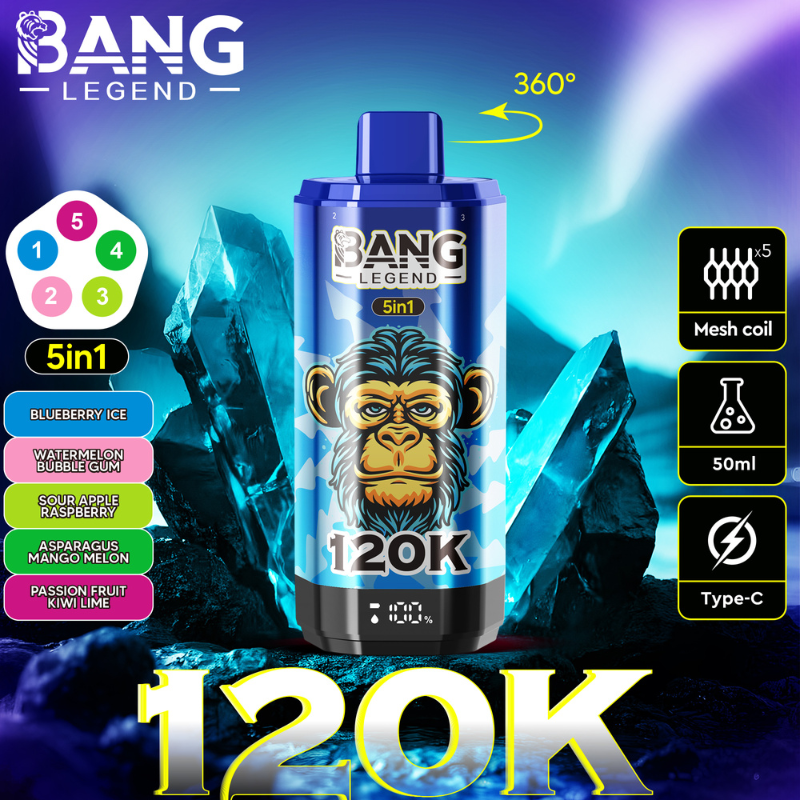
Independent & Disposable-Focused Brands: The market has also seen strong growth from brands popular in the disposable segment, although this is being challenged by new regulations. Brands like ELFBAR and SKE Crystal have been significant in this space.
Key Market Trends for 2026
Several interconnected trends are defining consumer behavior and product development.
The Regulatory Push Away from Disposables vape: A major shift is underway as countries like Belgium, France, and the UK implement bans on disposable electronic cigarette, primarily for environmental and youth protection reasons. This is redirecting consumer demand towards refillable pod systems and open-tank devices, which offer longer-term use and reduced waste.
The Flavor Paradox: E-liquid flavor variety remains a top driver of adoption for adult users, with studies indicating its importance in helping smokers switch away from cigarettes. However, countries like the Netherlands, Denmark, and Hungary have banned non-tobacco flavors, creating a patchwork of national regulations that complicate the market.
The Rise of the Female Vaper: Women are the fastest-growing demographic of vape users in Europe, with an annual growth rate exceeding 5%. This is influencing product design, with a greater emphasis on compact devices, subtle colors, and targeted marketing.
Focus on Compliance and Harm Reduction: In markets with supportive policies, such as the UK and Greece, vape is increasingly positioned as a public health tool for smoking cessation. Brands that successfully navigate the complex PMTA (Premarket Tobacco Application)-like authorization processes in Europe gain a significant competitive edge.
Navigating a Complex Regulatory Landscape
The European regulatory environment is complex and varies significantly by country, creating a challenging operating landscape.
Taxation: As of early 2025, 19 out of 27 EU member states have implemented a tax on e-liquids, with rates varying per milliliter. France, Ireland, and Spain are among countries considering or planning to introduce new taxes.
Sales Restrictions: Beyond flavor bans, some countries are restricting sales channels. Belgium and Italy have banned online sales of vaping products entirely, a move that could influence broader EU policy.
Upcoming EU-Wide Rules: The industry is anticipating the revision of the Tobacco Products Directive (TPD3) by 2027/2028, which will address flavors, packaging, and potentially e-commerce rules on a continental scale.
For consumers, this means product availability, flavor options, and cost can differ dramatically depending on their location. For businesses, it necessitates agile strategies and close monitoring of local legislation.
The Bottom Line
The European vape market in 2026 is characterized by its adaptation to stringent regulations and its maturation toward sustainable, adult-focused products. While established brands like Vuse and Blu maintain strong positions, the regulatory push is reshaping the playing field. Success hinges on compliance, the ability to offer satisfying alternatives to disposables, and understanding nuanced consumer shifts, such as the growing influence of female vapers. The coming years will be decisive as EU-wide regulations take shape, determining the long-term trajectory of harm reduction and industry growth in Europe.
Other:Famous Brand E Cigarette, Vape Pods And Kits, Rechargeable Vape, Vape 2000 Puffs, Vape 8000 Puffs, Vape 3000 Puffs, Vape 1500 Puffs, Vape 5000 Puffs
